Funny Face: A Sweet Handwritten Display Font for Friendly Branding
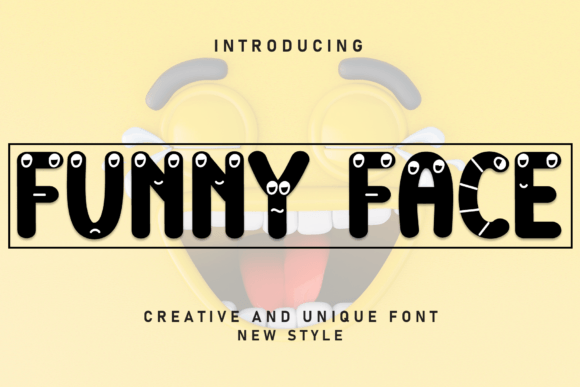
I opened a blank brand board on my screen, the cursor blinking in the center of an empty canvas. The client wanted a bakery identity that felt warm, approachable, and distinctly human. No sterile corporate logos or cold modernist grids. They needed something that whispered "freshly baked" rather than shouting "premium artisanal." That is when I pulled Funny Face into the mix. It is a sweet and friendly handwritten display font, fresh and casual, ideal for writing wedding invitations, cards, or any other design that might need a lovely touch. But does it hold up under the pressure of a full-scale commercial project? After testing it across a logo draft, packaging mockup, and social media layout, here is what I found.
First Impressions: Personality in Every Stroke
The moment you select this typeface, the mood shifts. Unlike rigid geometric sans serifs or overly formal script fonts, Funny Face brings a distinct sense of playfulness without crossing into illegibility. As a display font, it captures the energy of someone jotting down a note with a fine-point marker while smiling. The strokes vary naturally, mimicking the organic rhythm of real handwriting, yet they remain consistent enough to build a cohesive visual system.
In my test project for a local café refresh, I used the font for the primary logo lockup. The rounded terminals and slightly uneven baseline immediately softened the brand's edge. It did not look like a generic template; it looked handcrafted. This is crucial for brands trying to establish trust through authenticity. When a customer sees a logo that looks like it was drawn by a person, not generated by an algorithm, their perception of the business changes. It feels more intimate and less transactional.
Testing the Limits: From Logos to Packaging
I moved the font from the digital logo draft to a physical packaging mockup for a line of handmade soaps. This is where many display fonts fail—they lose character when scaled down or printed on textured materials. However, Funny Face held its shape remarkably well. On the product label, the text remained legible even at smaller sizes, provided I gave it enough breathing room. The weight distribution is balanced, preventing the ink from bleeding too much on rougher paper stocks.
I also tested it on a business card and a website header. On the web, the font served as an excellent hero section headline. It grabbed attention instantly, drawing the eye before the user scrolled further. In contrast, using it for body text would have been a mistake. While it is charming, long paragraphs of this handwritten style can become visually exhausting. It is best utilized as a headline font, a logo font, or an accent font for short phrases. For body copy, I paired it with a clean, neutral sans serif font to maintain readability and balance the visual hierarchy.
Strategic Applications in Modern Typography
This creative font shines brightest in contexts where emotion and personality are paramount. It is not just about looking cute; it is about conveying a specific brand voice. If you are designing for a boutique identity, a creative studio, or a local restaurant, Funny Face offers a way to communicate warmth and approachability instantly.
- Social Media Graphics: The font excels on Instagram posts and story overlays. Its casual nature fits perfectly with lifestyle photography, making the content feel like a personal recommendation rather than a corporate ad.
- Editorial Design: For magazine covers or blog headers, it adds a touch of whimsy that breaks up the monotony of standard typography.
- Commercial Assets: Whether for print-on-demand products or digital templates, the font provides a unique selling point that helps brands stand out in crowded marketplaces.
However, it is important to recognize where this typeface should not go. Formal corporate use, legal documents, or high-end luxury branding often require a level of seriousness that a handwritten display font cannot provide. If your brand needs to convey authority, precision, or minimalism, this might be too playful. Additionally, for projects requiring multilingual support beyond basic Latin characters, you must verify the specific character set included in your license, as some handwritten styles have limited language coverage.
Building a Cohesive System
A common pitfall in branding is relying on a single font for everything. With Funny Face, the key to success lies in smart pairing. Because the font has such a strong personality, it needs a quiet partner to let it shine. A modern serif font works beautifully for subheadings, adding a touch of elegance that grounds the playfulness of the main text. Alternatively, a simple sans serif font creates a striking contrast, allowing the handwritten elements to pop as decorative accents.
I experimented with a combination of this font and a classic serif typeface for a wedding invitation suite. The result was a perfect blend of romance and structure. The Funny Face handled the names and event titles with grace, while the serif font managed the logistical details like dates and addresses. This balance ensures that the design remains professional and easy to read while still delivering that "lovely touch" the client requested.
Practical Considerations for Designers
Before committing to this font for a final client deliverable, I recommend downloading the trial version and running a few tests. Check how the alternates and ligatures behave if your package includes them. These small details can elevate a design from good to great, smoothing out awkward letter combinations and adding extra flair. Also, review the file formats available. Having both desktop and webfont versions is essential for ensuring consistency across all your design assets, from printed flyers to responsive websites.
Remember that licensing is a critical step in the design process. Even though Funny Face is a commercial font, the terms of use vary depending on whether you are using it for personal projects, client work, merchandise, or digital products. Always check the specific license agreement to ensure you are covered for your intended application, especially if you are creating templates or designs for resale.
Ultimately, Funny Face is a versatile tool in the designer's arsenal. It is not a one-size-fits-all solution, but for the right project, it delivers exactly what is needed: a sweet, friendly, and fresh aesthetic that connects with people on a human level. Whether you are crafting a brand identity for a startup or designing a special event card, this handwritten display font offers the kind of charm that lingers in the mind long after the design is viewed.